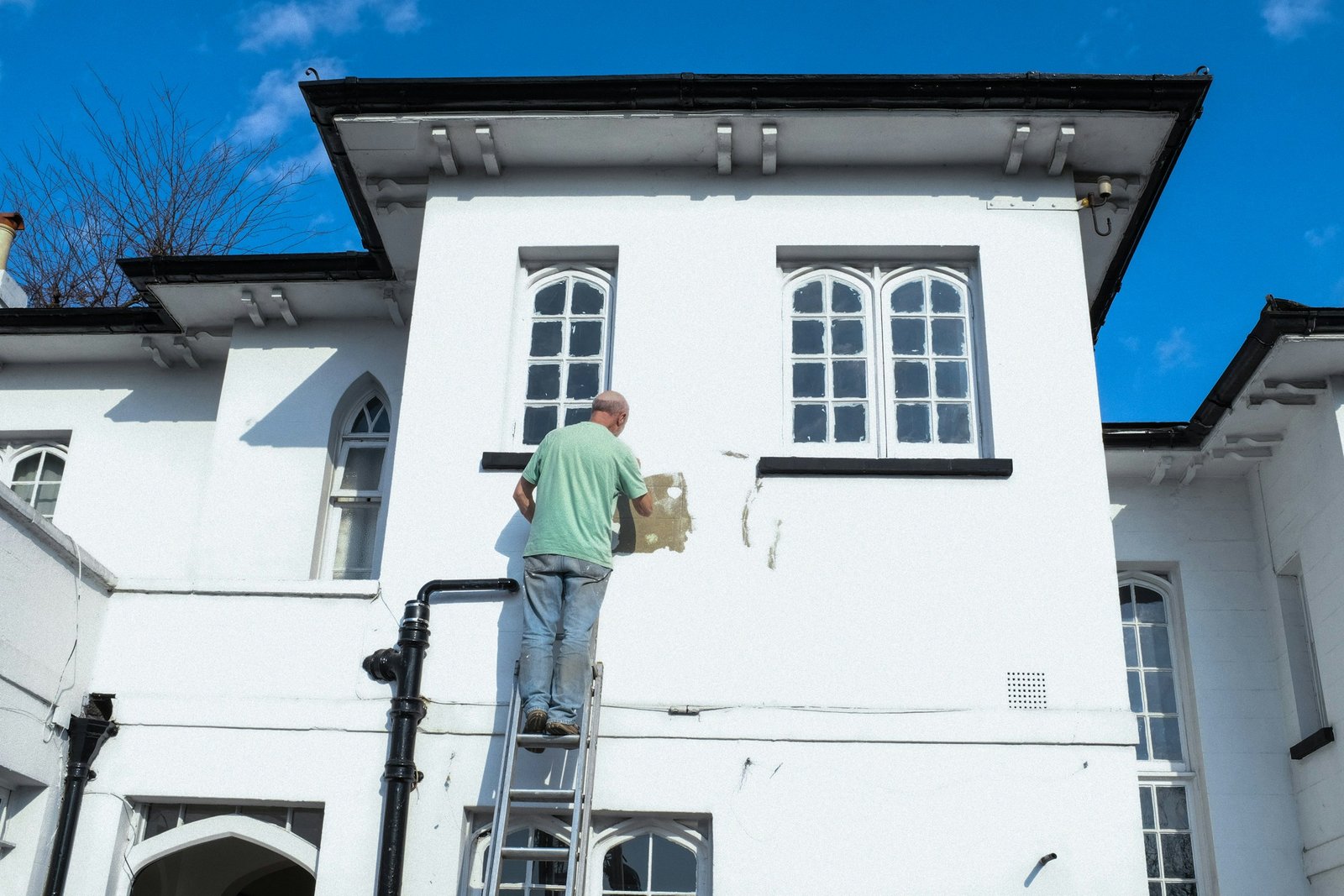
Interior painting costs can vary depending on several factors. Understanding what goes into pricing helps you make informed decisions and avoid unexpected surprises.
Size of the Project
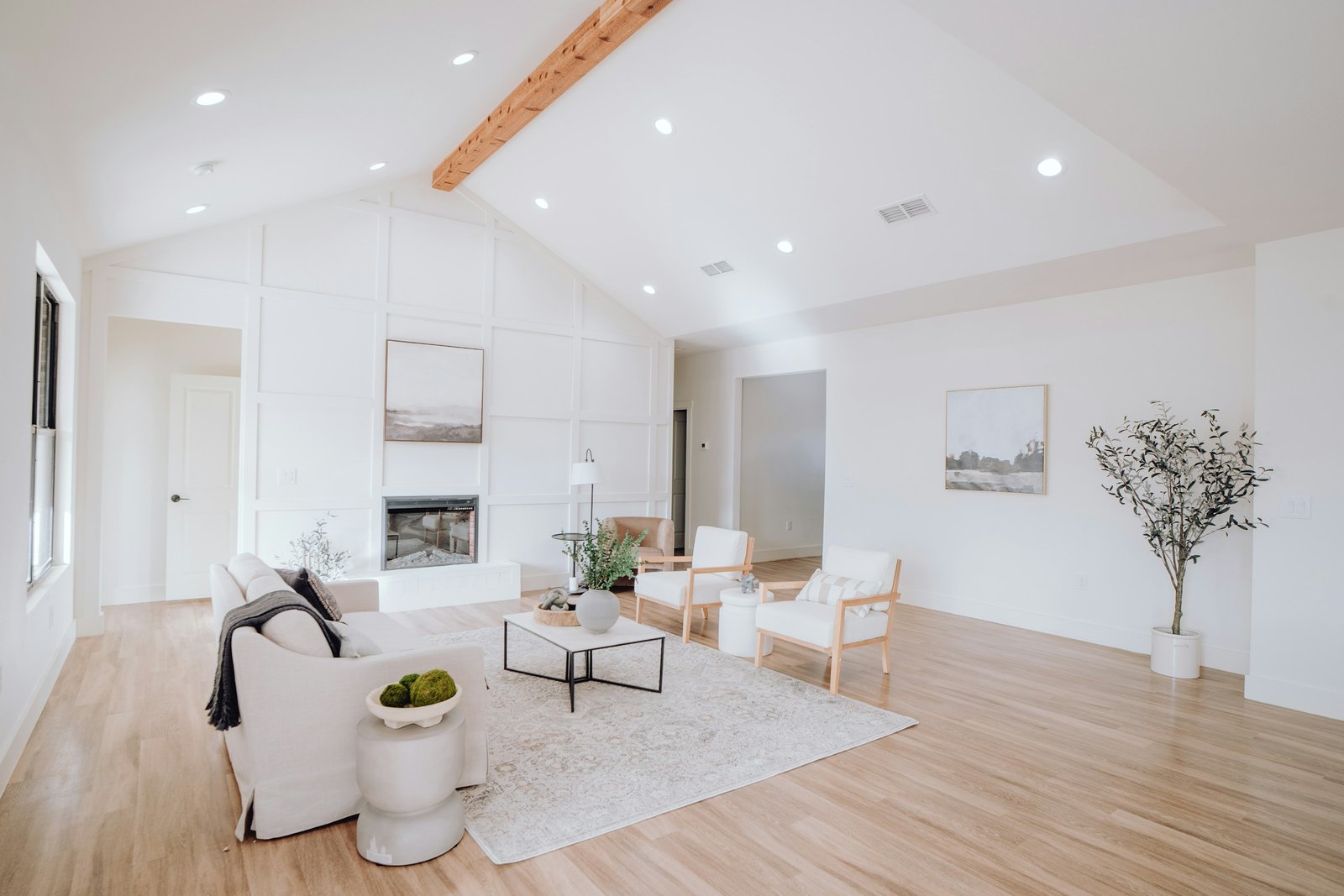
The larger the space, the more labor and materials are required. Ceiling height also plays a role—higher walls take more time and effort.
Surface Condition
Walls that require extensive prep—like patching, sanding, or repairing damage—will increase the overall cost. Well-maintained surfaces are faster and more cost-effective to paint.
Number of Coats
Some projects require additional coats, especially when making significant color changes. This adds both time and material costs.
Paint Quality
Higher-quality paints cost more upfront but provide better coverage and durability. They often require fewer coats and last longer.
Trim and Detail Work
Painting trim, doors, and detailed areas takes more precision and time than standard wall painting. These elements add to the overall cost.
Accessibility and Layout
Tight spaces, high ceilings, and complex layouts increase labor difficulty and time required to complete the job.
Why Professional Work Costs More
A professional paint job includes proper preparation, high-quality materials, and attention to detail. While it may cost more upfront, it delivers a better finish and lasts longer.
Final Thoughts
Painting costs are based on more than just square footage. Quality, prep, and execution all play a role in delivering a result that’s worth the investment.
Looking for a clear, professional quote with no surprises? ProBrush Painting provides detailed estimates and high-quality results.
Request your estimate today or call 201-746-5728.