
A high-quality paint job doesn’t start with paint—it starts with preparation. Surface prep is what determines how your paint looks and how long it lasts.
Skipping or rushing this step is one of the biggest reasons paint jobs fail.
Why Preparation Matters
Paint needs a clean, smooth, and stable surface to properly adhere. Without that, you’ll see issues like peeling, bubbling, uneven coverage, and visible imperfections.
A professional finish is built during prep—not just during application.
Key Steps in Surface Preparation
Cleaning the Surface
Walls collect dust, grease, and residue over time. These contaminants prevent paint from bonding properly and can cause failure.
Repairing Damage
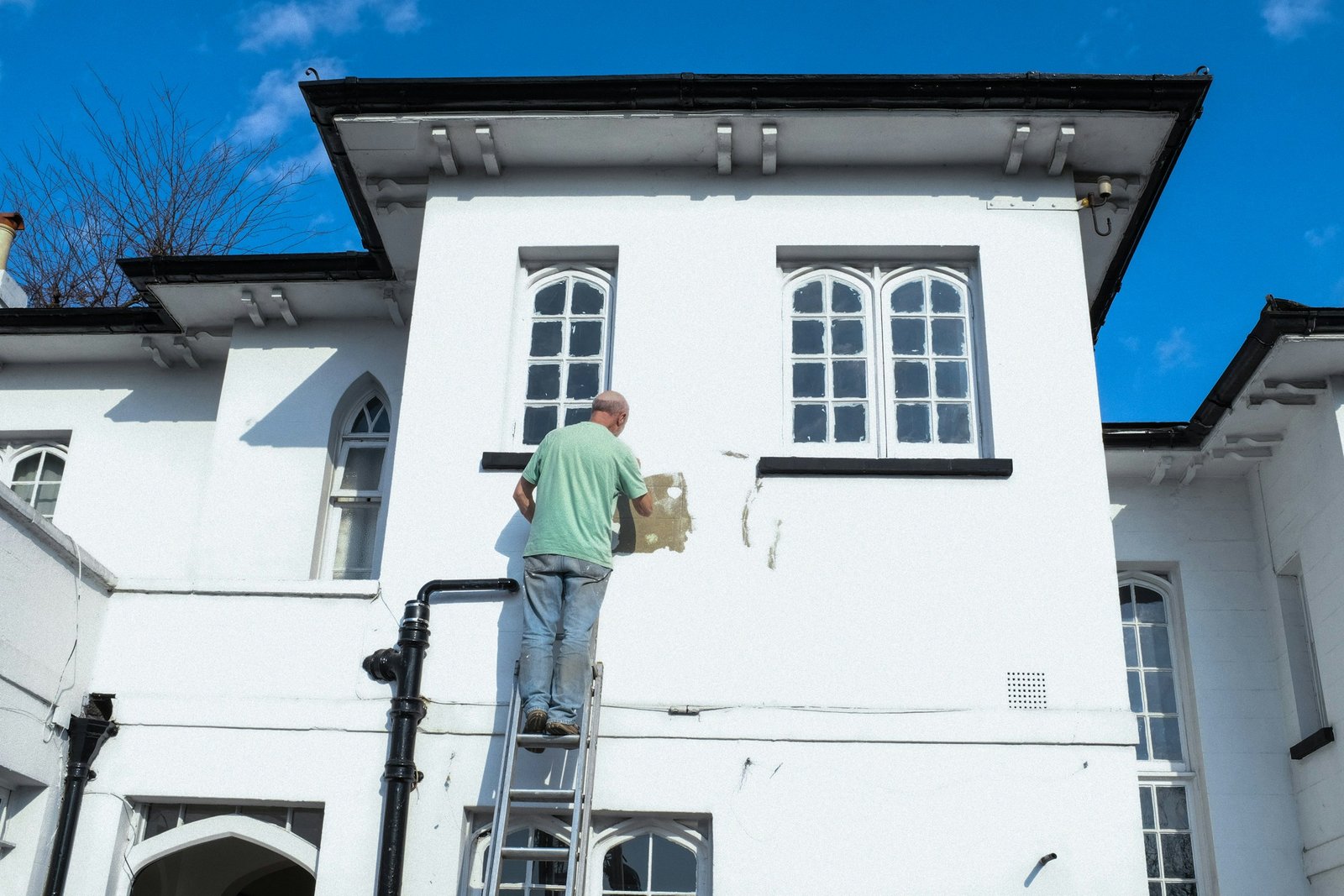
Cracks, holes, dents, and damaged drywall must be filled and smoothed. Paint does not hide imperfections—it makes them more noticeable.
Sanding
Sanding creates a smooth surface and improves adhesion. This is especially important when repainting over glossy or previously coated surfaces.
Priming
Primer helps create a uniform base and improves coverage. It’s essential for:
- Color changes
- New drywall
- Stained or repaired areas
Protecting the Area
Professional prep includes protecting floors, furniture, and fixtures. Clean lines and sharp edges come from proper masking and setup.
What Happens If You Skip Prep
- Paint peels or chips prematurely
- Uneven or blotchy appearance
- Visible repairs and imperfections
- Shorter lifespan of the paint job
The Professional Difference
The difference between an average paint job and a professional one is almost always in the prep work. Proper preparation takes time, but it ensures a finish that lasts.
Final Thoughts
If you want a paint job that looks clean and holds up over time, preparation isn’t optional—it’s essential.
At ProBrush Painting, we take prep seriously. That’s how we deliver results that last.
Request your free estimate today or call 201-746-5728.